Fergana Valley Vineyard Estate
A private estate set among 12 hectares of producing vineyards in the Fergana Valley, with rammed-earth walls, a courtyard pool, and panoramic views of the Tien Shan mountains to the south. Designed to age gracefully with the landscape, the house uses only four primary materials: compacted earth, local stone, timber, and glass.
The plan follows the traditional Uzbek havli (courtyard house) typology, adapted for contemporary living. Three wings — the main residence, a guest house, and a wine-production facility — enclose a central courtyard with a 20 m lap pool oriented to frame a view corridor toward the valley's snow-capped eastern ridgeline. A fourth side is left open, bounded only by a low stone wall, allowing the vineyard rows to flow visually into the domestic landscape.
Rammed-earth construction was chosen for its thermal mass properties and its aesthetic resonance with the valley's loess-soil terrain. Walls are 600 mm thick, formed in 1.2 m lifts using locally excavated subsoil mixed with 8% cement. The naturally stratified layers visible on the finished surface record the geological character of the site — ochre, sienna, and cream tones that shift subtly in different light conditions.
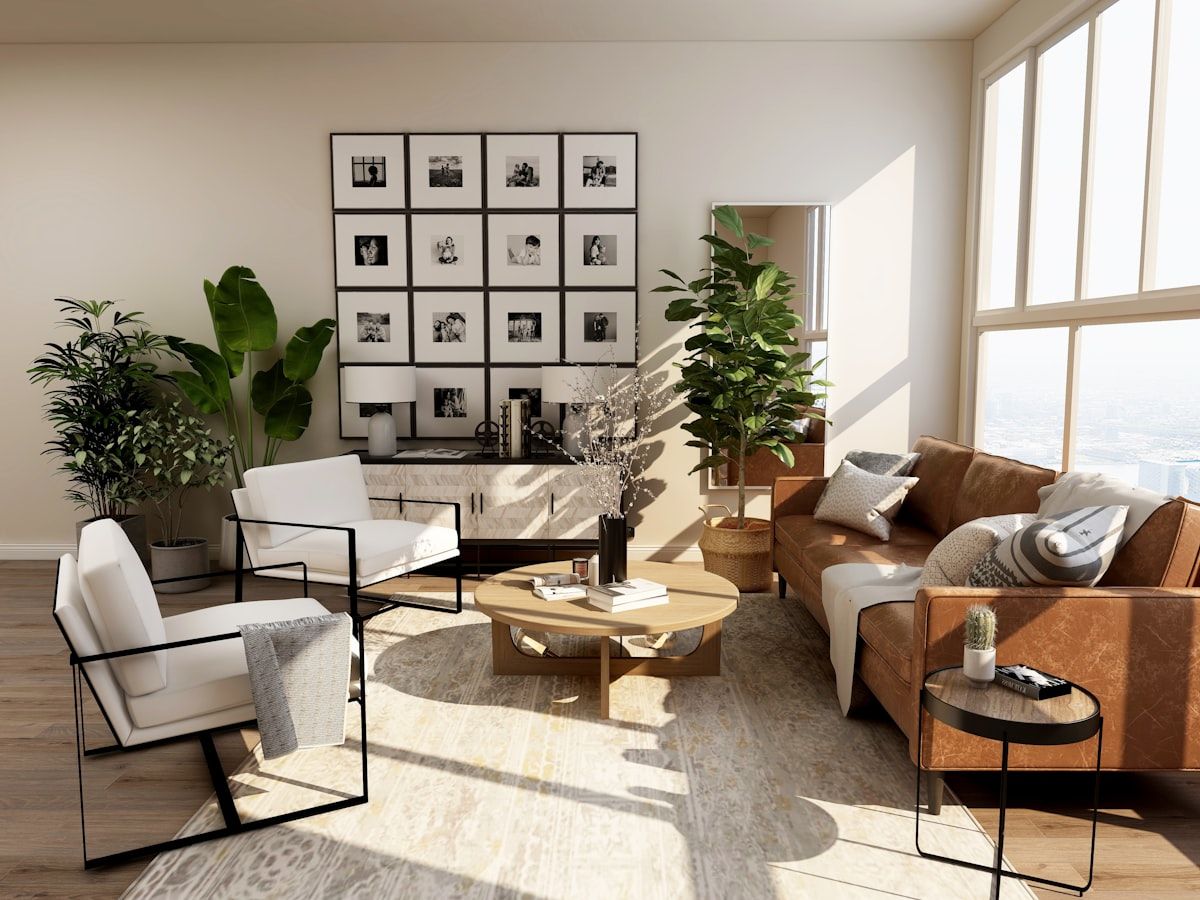
The main residence contains 420 m² of living space arranged on a single level. The living room features a double-height ceiling with exposed glulam beams and a monumental stone fireplace. The master suite opens onto a private garden courtyard with an outdoor soaking tub carved from a single block of Fergana granite.
The wine production wing includes a 200 m² barrel hall dug 3 m into the hillside for natural temperature regulation, a tasting room with a terrace overlooking the vineyards, and a commercial kitchen for hosting visiting chefs and private dinners during the harvest season.
Landscape design integrates the estate into its agricultural context: native walnut and almond trees line the approach drive, a potager garden supplies the kitchen, and a network of traditional aryk irrigation channels feeds both the vineyard and the ornamental plantings.